Cahuita National Park Guide (2026) - 17 Things to Know
Cahuita National Park at a Glance
Here is everything you need to know in one quick reference:
| Detail | Information |
|---|---|
| Location | Limón province, Caribbean coast of Costa Rica, 20 minutes north of Puerto Viejo |
| Hours | Open daily 8:00 AM to 4:00 PM (Punta Cahuita closes at 2:00 PM) |
| Entrance fees | Kelly Creek: donation-based ($5 USD suggested) · Puerto Vargas: $5.65 USD foreigners / 1,130 colones locals |
| Trail length | 8 km (5 miles) one way · 16 km (10 miles) round trip |
| Parking | Around 3,000 colones ($5.65 USD) at both entrances |
| Best time to visit | February to April (clearer water for snorkeling) or August to October (sunny Caribbean days) |
| Booking required | No, just turn up |
| Snorkeling | Permitted with a certified guide only ($30 to $200 USD) |
| Suitable for kids | Yes, trails are flat and shaded |
1. What Is So Special About Cahuita National Park?
Cahuita National Park is a special place on Costa Rica's Caribbean coast, and it is one of our favorite places to recommend to visiting friends and clients. We often hear that they see more wildlife here than anywhere else in Costa Rica. This makes us proud to live in an area that has been able to preserve the jungle and protect the animals.
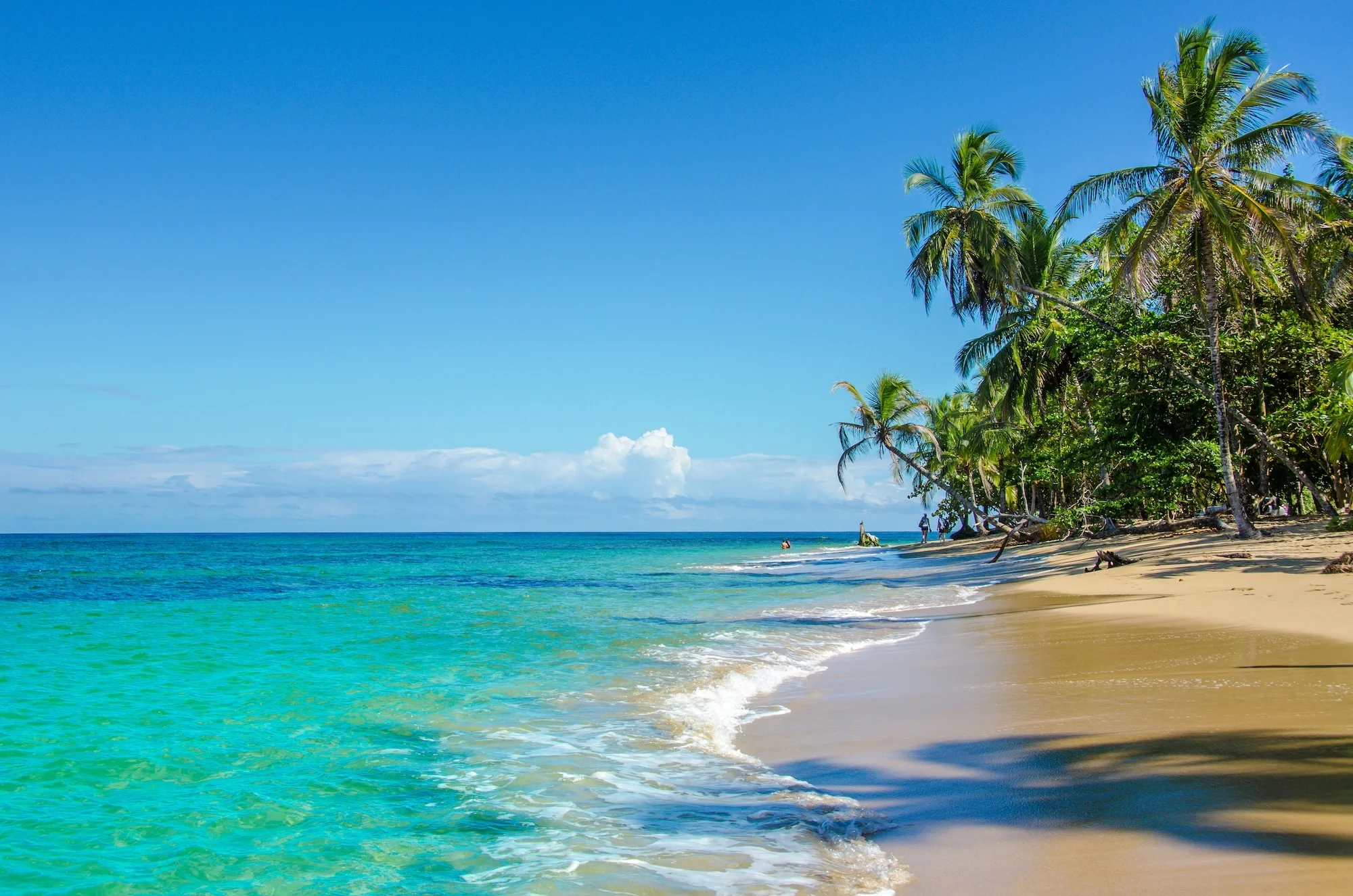
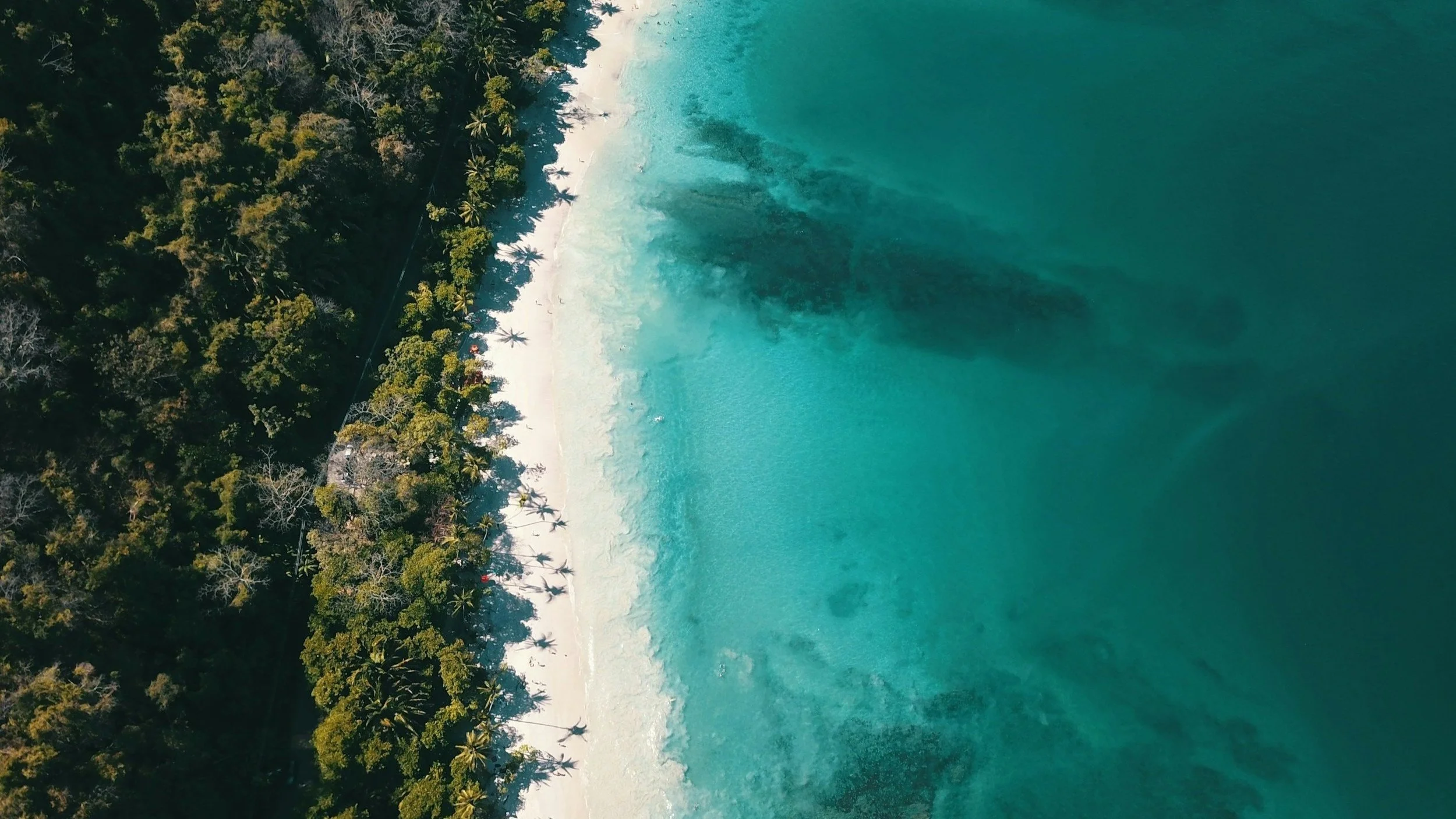
The park offers something for everyone: pristine white-sand beaches, abundant wildlife, and a lush coastal hiking trail that winds through vibrant tropical forests. It is also one of the most spacious and least crowded national parks in all of Costa Rica.
While the reef faces challenges from environmental impacts, guided snorkeling tours allow visitors to witness its underwater beauty responsibly. Whether you are a wildlife enthusiast, a hiker, or someone seeking tranquil coastal views, Cahuita National Park can be an unforgettable experience for the whole family.
2. Where Is Cahuita National Park?
The park is nestled on Costa Rica's Caribbean coast in the Limón province, just outside the peaceful town of Cahuita. Only a 20-minute drive north of Puerto Viejo, it is a perfect day trip for those exploring the area.
Unlike the busier Puerto Viejo, Cahuita offers a quieter village vibe with a mix of locals, expats, and a few charming accommodations and restaurants. Visitors often stay here to enjoy yoga classes, relax, and immerse themselves in the natural beauty before heading to the park.
If you are weighing up where to base yourself, we wrote a full breakdown of the differences between the two areas in our Cahuita vs Puerto Viejo guide.
3. When Is the Best Time to Visit Cahuita National Park?
Typical weather patterns have changed greatly in the past couple of years, with rain in the dry season and vice versa. The best weather app we have found is the Accuweather app, even so, the Caribbean is notorious for being unpredictable with rain one moment and sun the next.
If you prefer fewer crowds and you are not snorkeling, consider the rainy season (May to early November) for a quieter experience. Arriving early at around 8 AM ensures you beat the crowds and enjoy the park's serene beauty.
Generally, the best times to visit are:
February to April: clearer water for snorkeling
August to October: sunny, calm Caribbean days

4. Do You Need to Book Tickets in Advance?
No. Just show up. Unlike Costa Rica's busiest parks, Cahuita National Park operates with a relaxed, no-reservation system. It is another reason we love it.
5. Where Are the Entrances to Cahuita National Park?
The park has two entrances:
Kelly Creek Cahuita Station Entrance
Located in Cahuita town, this is the most popular entrance
No fixed fee, but a donation of around $5 USD is highly encouraged
You will find more tourists and beachgoers here, heading to nearby Playa Blanca
Wildlife is often concentrated near the entrance, attracted by snacks from visitors
Exiting here after starting at Puerto Vargas is perfect for a celebratory drink
Puerto Vargas Entrance
Quieter, with fewer crowds, great for peaceful hikers
Entry requires a $5.65 USD fee
Dedicated bus stop for a bus back to Cahuita or Puerto Viejo
The boardwalk section of the trail (about 2 km / 1.2 miles) is breathtaking
Ending in Cahuita town means easy access to transport or a well-earned meal
The entrances are connected by an 8-kilometer (5-mile) coastal trail. A round trip covers 16 kilometers (10 miles), which can take an entire day. Many visitors hike one way and return by taxi for a more relaxed experience.


6. What Are Cahuita National Park Hours?
Open daily 8:00 AM to 4:00 PM. Punta Cahuita closes at 2:00 PM, and rangers will guide visitors out so you have enough time to exit the park before closing. Plan an early visit so you do not feel rushed.
7. Is There Parking at Cahuita National Park?
Both entrances offer guarded parking lots for about 3,000 colones ($5.65 USD). Parking is safe, but we still recommend not leaving valuables in your vehicle, just in case.
8. How Long Is the Cahuita National Park Hike?
The full main trail is:
8 km (5 miles) one way
16 km (10 miles) round trip
Most of the trail is flat, shady, and easy, but rain can make some areas muddy. The boardwalk on the Puerto Vargas side is one of the prettiest parts of Parque Nacional Cahuita. Wear comfortable shoes, and do not worry if they get dirty, that is part of the fun.

9. What Are the Tour Guide Options for Cahuita National Park?
You will see much more wildlife with a guide. Trusted local guides like Exploradores Tours or Marco's Cahuita Tours offer amazing experiences, including snorkeling trips.
Guided tours range from $30 to $200 USD, depending on whether you include snorkeling, hiking, or both. If you are choosing a snorkeling tour, ask about water conditions before booking.
10. Should You Hire a Guide to Explore the Park?
We personally recommend it. Guides are experts at spotting wildlife you would walk right past, like tiny frogs, camouflaged sloths, and rare birds. If you are on a tight budget, exploring on your own is still excellent, but take your time and walk slowly.
11. How Long Does It Take to Explore Cahuita National Park?
Plan for at least 3 to 4 hours, though many visitors spend a full day hiking, swimming, and exploring. We have spent up to 5 hours inside and still did not want to leave.
12. What Wildlife Can You See in Cahuita National Park?
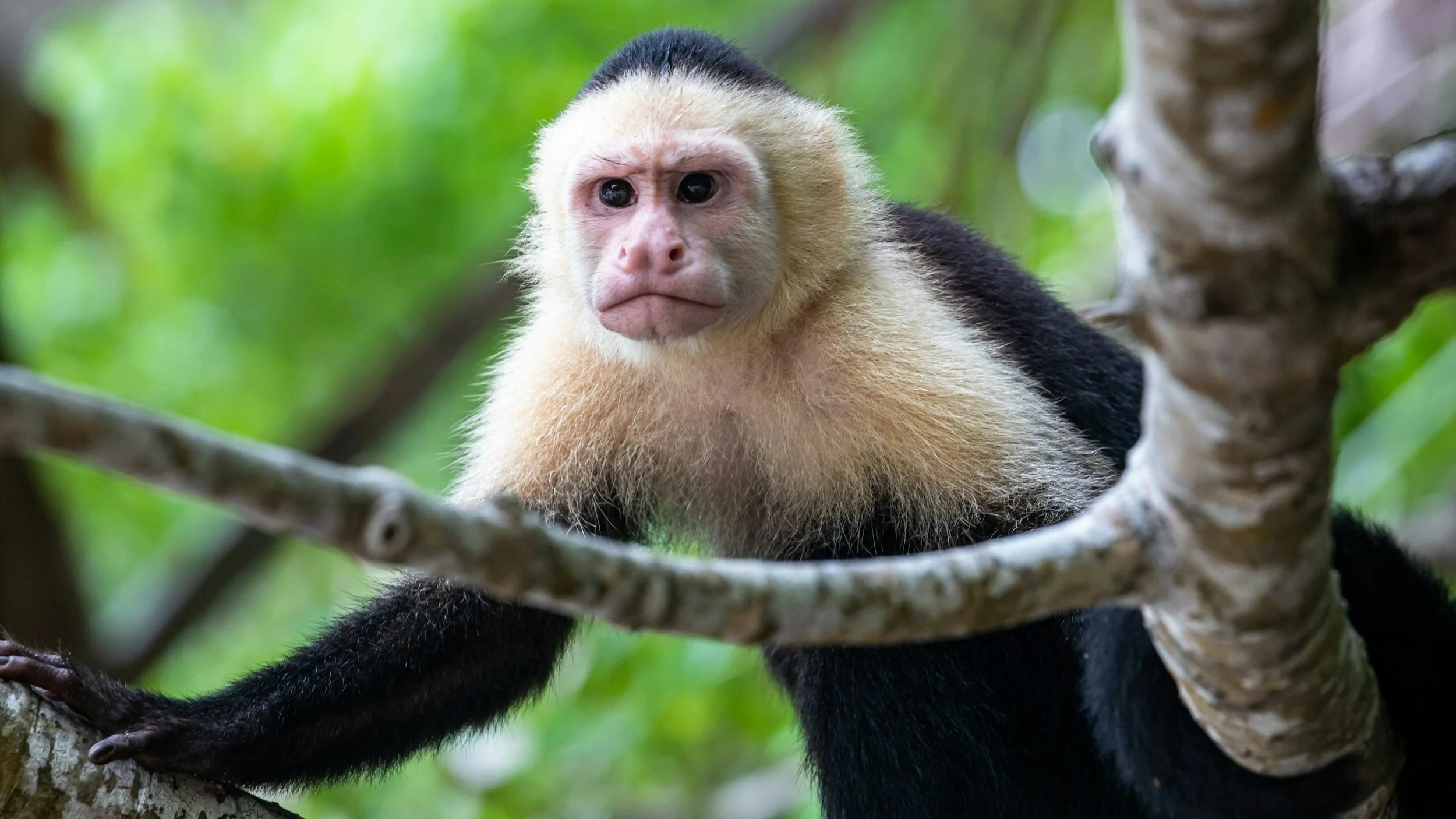
Cahuita National Park is one of the easiest places in the country to see wildlife. Because the jungle hugs the coastline, animals often hang out close to the trail.
Possible wildlife sightings include:
Two- and three-toed sloths
Howler monkeys and capuchin monkeys
Toucans and macaws
Poison dart frogs
Yellow pit vipers
Crocodiles, caimans, and tropical fish
If this is your only national park visit in Costa Rica, booking a guide is the best way to make it unforgettable.


13. What Should I Bring for My Day in the Park?
Pack light, but bring:
Plenty of water
Reef-safe sunscreen
Bug spray
Cash
Swimsuit and towel
Lightweight rain jacket
Good walking shoes
Toilet paper and hand sanitizer
Snacks (keep them secure from raccoons)
Important: plastic bags are not allowed in the park. Staff may check your bag at the entrance.
14. Can You Snorkel and Swim in Cahuita National Park?
Yes to both, with a couple of important rules to know.
Cahuita is famous for its vibrant coral reef ecosystem. Snorkeling is permitted in designated areas and only with a certified guide to protect the reef. Tours often include gear rental and a guided swim, allowing you to see brain coral, elkhorn coral, French angelfish, queen angelfish, sea cucumber, lobsters, tropical fish, sea turtles, and even reef sharks.
Costs range from $30 to $200 USD depending on the package. Be sure to check sea conditions when booking.
Swimming on the beaches inside the park (Playa Blanca and the Puerto Vargas beaches) is allowed. Currents can be strong in some spots, so always check with rangers if you are unsure.
15. Is Cahuita National Park Suitable for Kids?
Absolutely. The trails are flat, shaded, and easy for young hikers. The beaches are calm, and there is plenty of wildlife to keep kids excited. Just keep little ones close around monkeys and raccoons, they can be bold.


16. What Amenities Are Available in the Park?
Bathrooms at both entrances (bring your own toilet paper)
Picnic areas
Shaded resting spots
Water access near the beaches
There are no bathrooms on the trail, so plan accordingly.
17. Could Cahuita Be Your Backyard?
For many of our clients, the first visit to Cahuita National Park is what convinced them to move to the South Caribbean. The wildlife on your doorstep, the unhurried pace, the protected coastline. It is a different way of living.
If you have been thinking about owning property near the park, we maintain the only regional property database for the South Caribbean and would be happy to walk you through what is available.
Take a look at Cahuita real estate listings, or read our complete buying guide if you are just starting your research.

Meg & Raina
We are expats from the U.S. and Canada. We’ve fully embraced life in the Caribbean, living here full time each for almost a decade and operating My Puerto Viejo Realtor full-time.
While we consider this slice of paradise our home, we’re passionate about helping clients understand the realities of tropical living. It’s beautiful and rewarding but comes with unique challenges that require adaptability.