

Costa Rica Maritime Zone Regulations 2026: New Rules in Talamanca Explained for Property Owners and Investors
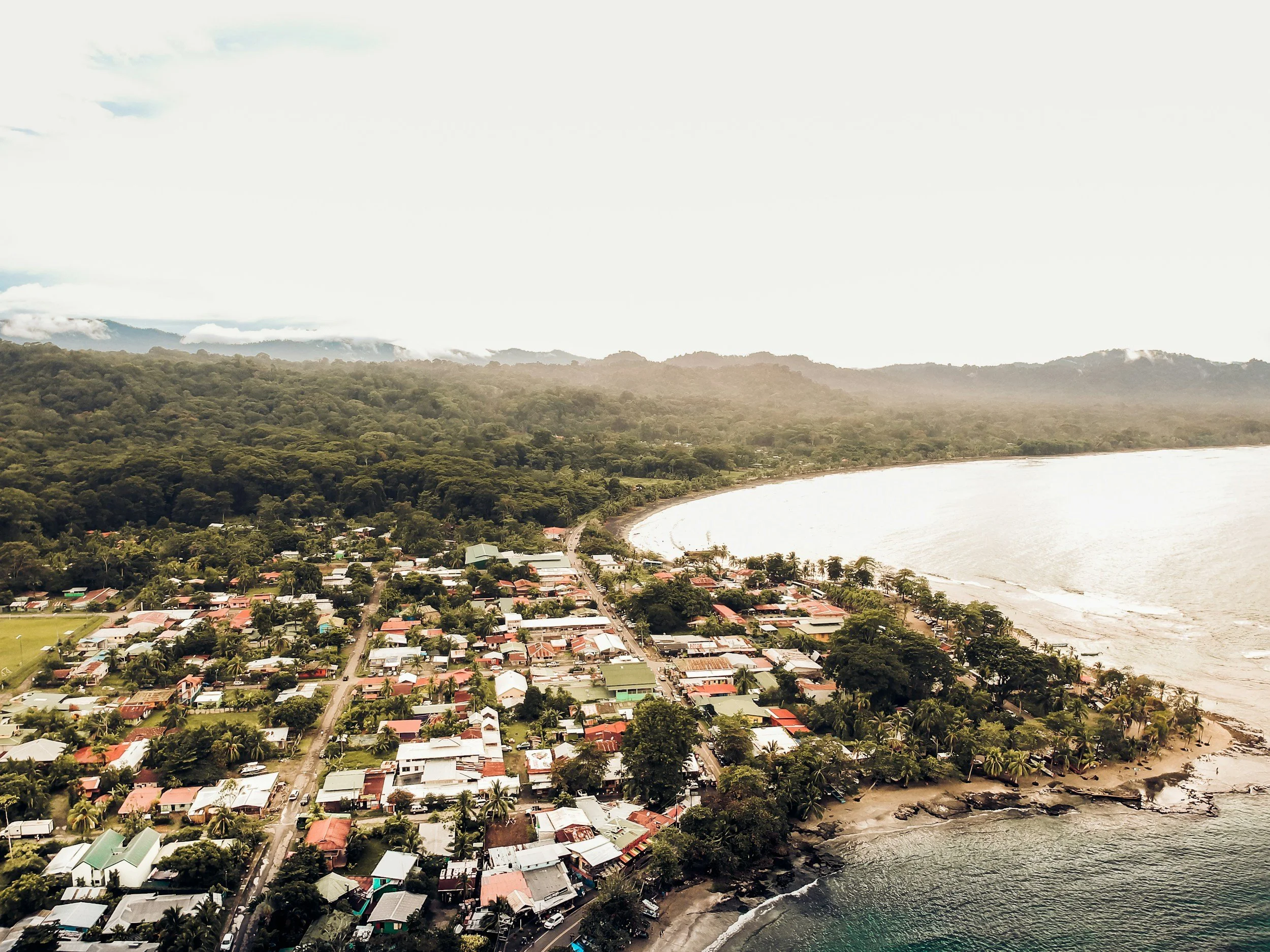
Costa Rica maritime zone regulations in Talamanca are undergoing significant changes, directly impacting property owners, buyers, and investors along the South Caribbean coast. Understanding how these new rules affect concessions, land use, and compliance is essential for anyone operating in this market. For official documents and regulatory guidance, you can consult the Costa Rican Tourism Institute – Zona Marítimo Terrestre resources.
The regulatory landscape in Costa Rica’s South Caribbean is shifting—and if you’re operating, investing, or advising in this market—especially those actively exploring opportunities in Talamanca, this is not something you can afford to ignore.
A recent breakdown by a legal expert outlines the updated framework governing the maritime zone in Talamanca. The takeaway is simple: the rules are tightening, and the margin for misunderstanding them is shrinking fast.
For a detailed legal breakdown, you can watch the full explanation below:
How Maritime Zone Land Use Is Changing in Talamanca
The maritime zone has always operated under a distinct legal structure in Costa Rica. Properties within this zone are not privately owned in the traditional sense—they are governed through concessions or use permits issued by local municipalities.
What’s changing in Talamanca is how these permits are being evaluated, granted, and enforced.
The updated regulations introduce clearer—but stricter—criteria around land use. This includes more defined limitations on what types of developments are permitted, as well as stronger oversight on compliance. In practical terms, the days of informal interpretation or “flexible” enforcement are coming to an end.
Stricter Compliance and Enforcement in Costa Rica’s Maritime Zone
One of the most important signals from this update is the municipality’s intent to formalize control.
There is now a stronger emphasis on:
Proper documentation
Alignment with zoning regulations
Environmental compliance
Active use consistent with the permit granted
If a property is not aligned with its approved use—or lacks proper documentation—it is increasingly exposed to risk. That includes the potential loss of concession rights.
This is a material shift. Historically, some properties operated in gray areas. That window is closing.
What Buyers Need to Know About Maritime Zone Property in Costa Rica
From a buyer’s perspective, due diligence is no longer optional—it’s mission-critical. For those actively evaluating options, reviewing current opportunities alongside proper due diligence is essential.
Any acquisition involving maritime zone property now requires a deeper legal review. You’re not just evaluating the asset—you’re evaluating the validity and defensibility of the concession behind it.
Key questions need to be answered upfront:
Is the concession properly registered and current?
Does the actual use match what has been approved?
Are there any compliance gaps that could create future liability?
If those answers aren’t airtight, you’re not buying an asset—you’re inheriting a problem.
How Sellers Should Prepare Under New Maritime Zone Regulations
For sellers, the bar has been raised.
If you want your property to transact cleanly—and at full market value—you need to come to the table prepared. That means having your documentation in order, your use aligned with regulations, and your concession fully compliant. Positioning your property correctly from the outset can significantly impact both timeline and final sale price.
Buyers are becoming more educated, and legal scrutiny is increasing. Properties that don’t meet the standard will either sit on the market or get discounted heavily.
Investment Strategy Under the New Talamanca Regulations
This isn’t bad news—it’s a market correction.
Clearer rules create a more stable investment environment. But in the short term, it will separate well-positioned assets from those that are not.
If you’re operating in this space, the strategy is straightforward:
Get compliant
Get documented
Get clarity on your legal position
Because moving forward, the market is going to reward transparency and penalize ambiguity.
Strategic Takeaway for Property Owners and Investors
Talamanca’s updated maritime zone regulations represent a structural shift in how coastal property is held, used, and transferred in Costa Rica’s South Caribbean.
This is no longer a market where assumptions or informal practices will carry a transaction. Compliance, documentation, and legal clarity are now central to protecting value and completing a successful sale.
For buyers, that means deeper due diligence. For sellers, it requires stronger preparation before entering the market.
Those who adapt early will protect their position—and create opportunity. Those who don’t will face increasing friction as enforcement tightens.
If you’re currently evaluating a purchase or preparing to sell in Talamanca, speaking with a local real estate expert early can help you gain clarity on your legal position and navigate these changes with confidence.
FAQ: Costa Rica Maritime Zone Regulations
-
The maritime zone is a 200-meter coastal strip where land is regulated by the government and typically held through concessions rather than private ownership.
-
Foreigners can hold rights through concessions, but these are subject to municipal approval and regulatory compliance.
-
Non-compliant properties risk fines, denial of renewal, or loss of concession rights.
-
They can be, but only when fully compliant with current regulations and supported by proper legal due diligence.
Stay Informed and Protect Your Investment
Regulations in Talamanca are evolving rapidly. Keep up to date, access practical insights, and make smarter decisions by exploring our resources, guides, and property listings tailored for buyers and sellers in the South Caribbean.
